If you remember one thing about timing, make it this: empty legs flow against the main stream of traffic. When everyone wants to fly south, aircraft come back north empty. When the season ends and everyone flies home, aircraft have to go back down to fetch them. Knowing when those tides turn tells you when to watch, and in which direction.
Winter: Florida and the islands
From roughly December to April, the Northeast and Midwest fly south. Palm Beach, Fort Lauderdale, Miami, Naples and the Caribbean fill up, and the busiest weeks are the holidays at Christmas and New Year, Presidents' Day weekend and spring break.
The aircraft that carry those trips mostly live in New York, Boston, Chicago and similar bases. After dropping their passengers, many fly home empty. That makes the start of the season and each holiday peak a good time for northbound legs out of Florida. If you live in the Northeast and need to get home in late December or early January, it is worth asking.
Ski season: the mountain rush
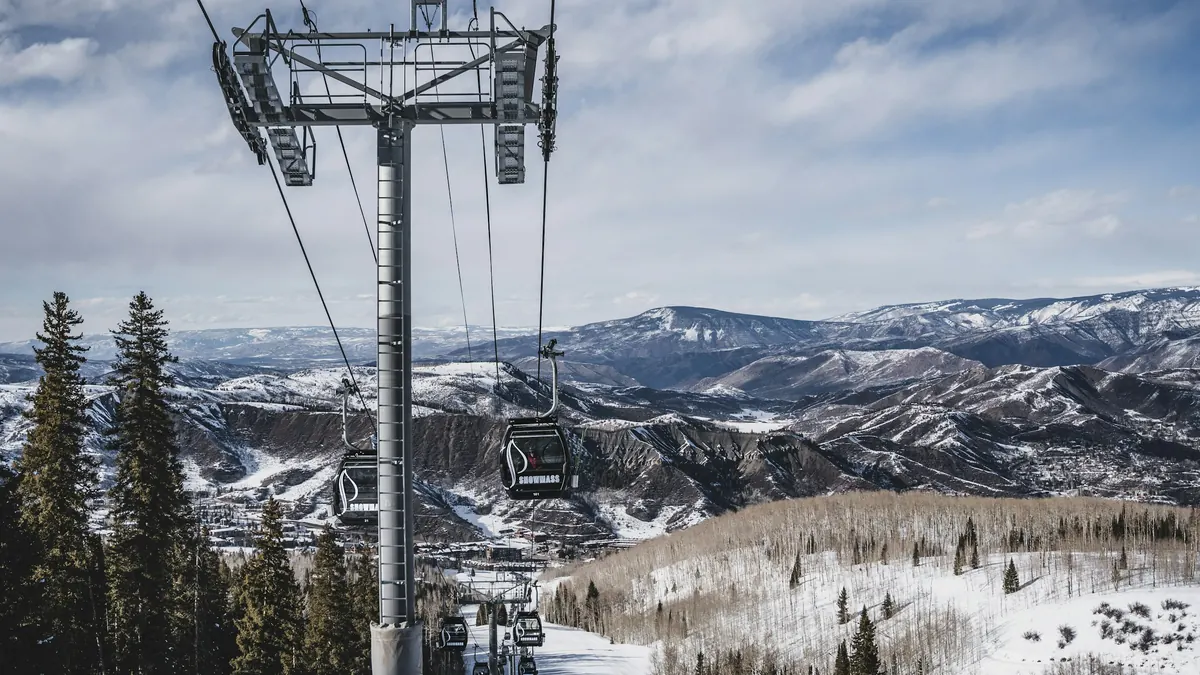
The Rocky Mountain airports, Aspen, Vail/Eagle, Jackson Hole, Sun Valley and their neighbors, peak over the same holiday weeks. They add a twist: Aspen is a high-elevation airport with seasonal congestion and restrictions, and ramp space at peak times is limited. Many aircraft drop their skiers and leave rather than wait, then fly back in for the pickup a week later.
That creates legs out of the mountains right after the busy arrival days, and legs back in just before the departure days. Winter weather adds uncertainty, including de-icing and occasional diversions to alternates such as Eagle, Rifle or Grand Junction, so a mountain empty leg suits travelers with a little flexibility on both time and airport.
Spring: the reverse migration
In April and May the Florida season ends and owners fly home. Now the passengers are flying north and the aircraft based up north have to come down to collect them. That means southbound legs into Florida, often with some flexibility because operators are juggling several pickups in the same week. Spring break trips to the Caribbean, the Bahamas and Los Cabos produce a smaller version of the same pattern.
Summer: islands, beaches and Europe
Summer flying is shorter and more frequent. In the Northeast it means weekends: Hamptons, Nantucket and Martha's Vineyard flights go out on Thursday and Friday and come back on Sunday and Monday. Aircraft that drop passengers on an island rarely stay, so short empty hops back to the city are common, sometimes on the same day.
In Europe the season runs from late May to September. Flights from London, Paris and Geneva to Nice, Ibiza, Palma, Olbia and the Greek islands fill the weekends, and the same push-and-pull creates legs back to the main bases. Smaller airports such as Cannes and Saint-Tropez restrict aircraft size and operating hours, which shapes when those legs can fly. In the US, Aspen and Jackson Hole have a second, gentler peak in July and August.
Autumn: the quiet repositioning
September to November is the shoulder season. Fewer people are traveling for leisure, so there are fewer legs overall, but this is when operators move aircraft into position for winter and when big business and sporting events create short bursts of one-way traffic. It can be a good time for longer legs at good prices, with less competition for them.
| Period | Main traffic | Where legs tend to run |
|---|---|---|
| Dec to Jan | Northeast and Midwest to Florida, Caribbean, mountains | North out of Florida; out of ski towns after arrival days |
| Feb to Mar | Presidents' Day, ski weeks, spring break | Out of Florida and the mountains after each peak |
| Apr to May | Owners return north; end of ski season | South into Florida; into mountain towns before pickups |
| Jun to Aug | Islands, Hamptons, Europe's summer resorts | Back to bases after weekend drop-offs |
| Sep to Nov | Business travel, events, repositioning for winter | Fewer legs, sometimes longer ones |
The weekly rhythm
Inside each season there is a weekly beat. Leisure trips leave on Thursday and Friday and come back on Sunday and Monday, so legs tend to appear on the opposite days: aircraft heading home empty on Friday evening or Saturday, and heading out empty on Sunday to collect passengers. Business travel follows a midweek pattern. If you can fly on a Saturday morning or a Tuesday, you are often swimming with the current that creates legs.
Holidays and big events
On top of the seasons sit the one-off peaks. Thanksgiving, the Christmas and New Year fortnight, Presidents' Day and the Fourth of July are the biggest travel weekends in American private aviation, and each one is lopsided: a heavy rush out before the holiday and a heavy rush back after it. The days in between are quieter, and that is when aircraft reposition.
Major events behave the same way on a smaller scale. A championship game, a Formula One race or an art fair can fill an airport's ramp in a few hours. Many aircraft drop their passengers and leave rather than pay for parking, which creates a burst of legs out of the event city on arrival day and a burst of legs into it just before the event ends. If you are flexible enough to travel on those shoulder days, the timing often works in your favour.
The flip side is that holiday weekends are the hardest time to find a regular charter at short notice. If your dates are fixed, request a quote early and treat any empty leg as a welcome bonus rather than the plan.
How to use the calendar
- Set alerts before the peak. Operators release legs once the paid trips are confirmed, which is often days before departure, sometimes less.
- Be flexible by a day and an airport. A leg on Saturday from Westchester may suit you as well as Sunday from Teterboro.
- Remember legs can change. If the original trip moves, the leg moves with it. For a fixed date, keep a regular charter quote ready.
- Check what is included. Seasonal costs such as de-icing in winter should be in the all-in price you receive.
Seasons repeat every year, which makes empty legs more predictable than they first look. Watch the tides, pick the direction that runs against them, and the right flight is far more likely to turn up.
Ahead of the next season
Tell us your airports and when you could travel. We will send legs that match, priced all-in.
Set up an alert